




In January 2026, while the Iranian regime was cutting off the internet to crush the protests, Washington was running an unprecedented operation. Today, I’m going to tell you how 6,000 Starlink terminals were smuggled into Iranian territory—marking the first direct delivery of satellite connectivity equipment by the United States inside a sanctioned country.
This operation marks a major turning point: Starlink is becoming a real geopolitical tool in the information war. I’ll walk you through what’s behind this strategy, which is completely redefining how digital censorship is bypassed.
A large-scale covert operation orchestrated by Washington—unlike anything seen before
The January 2026 protests took place amid a massive internet shutdown imposed by Tehran. The regime’s goal? Prevent any coordination between protesters and block information from reaching the outside world.
Faced with this situation, the United States acted quickly. I can tell you that 7,000 units were purchased in total over recent months, including 6,000 that were actually delivered into Iran via clandestine routes and smuggling networks that I can’t detail for operational safety reasons.
Besoin d'accessoires pour ta Tesla ?
Looking for accessories for your Tesla?
What makes this operation exceptional is its strategic funding. Washington reallocated budgets initially intended for other internet-access initiatives, including VPN programs that had been running for several years. This budget reallocation represents a major shift in doctrine.
To me, there’s no doubt about the historic nature of this operation: it’s the first direct delivery of this type of equipment inside Iranian territory. The political response was impressive, with the operation launched immediately in response to the regime’s blackouts.
Starlink vs. censorship: an effective but risky solution for Iranians
Legal risks for terminal owners
I need to be transparent with you about the dangers involved. Illegal possession of a Starlink terminal exposes Iranians to serious prison sentences. Even so, unofficial estimates suggest that tens of thousands of Iranians are already using Starlink, fully aware of the risks.
The crackdown is active and multifaceted:
- Targeted home inspections
- Detection of satellite signals by the authorities
- Arrests of people suspected of using this equipment
- Increased surveillance in protest areas
Iranian users face a heartbreaking dilemma: choosing between connectivity and personal safety.
Starlink’s technical effectiveness against blackouts
Starlink’s biggest advantage—and I’ll put it simply—is that this technology is impossible to block for the Iranian authorities. The direct satellite connection completely bypasses the local internet infrastructure controlled by the regime.
To give you a point of comparison: during the 2022 blackouts, around 30 million Iranians used US-funded VPNs. But in June 2025, during an almost total blackout, only 1/5 of users managed to keep their VPN connection.
Starlink completely changes the game by providing a connection that doesn’t depend on any Iranian ground infrastructure.
Trump and Musk: when Starlink becomes a diplomatic instrument
Presidential involvement in this case is confirmed. I can tell you that Donald Trump was aware of the operation, even if formal presidential authorization remains uncertain. Confirmed discussions took place between Trump and Musk about deploying Starlink in Iran.
This strategic alliance positions SpaceX and Starlink as real allies of US foreign policy. Tehran also reacted quickly, denouncing “technological interference” orchestrated by Washington.
What I find fascinating is the parallel with Ukraine, where Starlink has already served as a tool of resistance. But it also raises crucial questions about the privatization of diplomatic tools: should a private company serve government objectives like this?
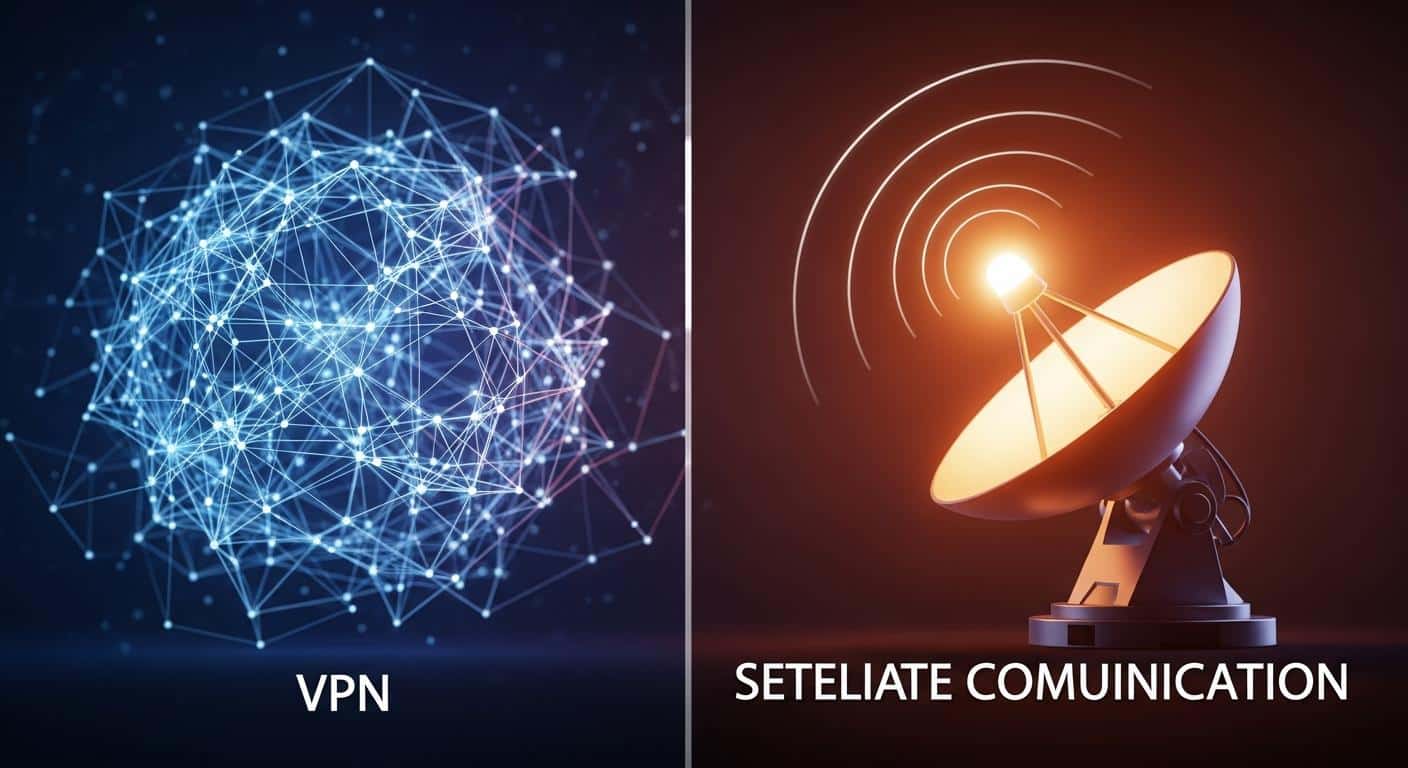
The strategic debate: has Starlink killed VPN programs?
Criticism of the budget reallocation
I need to talk to you about a major sticking point. 2 of the 5 VPN providers funded by the United States lost their funding after the shift toward Starlink. This decision has drawn harsh internal criticism.
Opponents of this strategy denounce abandoning proven solutions in favor of a technology that is far more visible and traceable. The comparison cost between Starlink terminals with subscriptions and distributed VPN infrastructure also raises questions.
Besoin d'accessoires pour ta Tesla ?
Looking for accessories for your Tesla?
Some Iranian users who were already equipped with VPNs lost access, creating a break in the circumvention strategy.
VPN vs. Starlink: which tool for which strategy?
Let me give you an objective comparison of the two technologies:
VPN advantages:
- Maximum discretion in use
- Compatible with all smartphones
- Lower cost per user
- Lightweight, mobile infrastructure
Starlink advantages:
- Completely impossible for the regime to block
- Total independence from local infrastructure
- Much higher speeds
- Consistent reliability even during a total blackout
But be careful: the biggest risk with Starlink remains the potential geolocation of terminals by the authorities. The satellite signal can be detected, physically exposing users.
The experts I regularly consult are clear: we should prioritize a multi-technology approach rather than a complete replacement. The debate over long-term effectiveness remains open: is Starlink a sustainable solution, or does it increase dissidents’ exposure?
A geopolitical precedent with global implications
What worries me—and I’m going to be frank with you—is the precedent for authoritarian regimes. China, Russia, and North Korea are watching this operation extremely closely and are already developing their own satellite-detection capabilities.
The State Department officially defends a multi-tool “digital freedom” strategy, but the facts show a concentration of resources on Starlink. For Europe, that raises a strategic question: what stance should be taken on the geopolitical use of private US technologies?
The issue of digital sovereignty is becoming central. This growing dependence on US satellite infrastructure creates new international power dynamics. As international analysts explain, we’re seeing the emergence of a new frontier in the information war, where private space technologies become diplomatic weapons.
The Iran operation marks a historic turning point in the geopolitical instrumentalization of private space technologies. The next few months will show whether Starlink becomes the standard for bypassing censorship, or whether safety risks slow down widespread adoption.
One question remains unresolved for me: does this privatization of digital diplomacy really represent the future of international relations, or are we witnessing a risky experiment whose consequences we still don’t fully grasp?
Profitez d'avantages exclusifs en achetant votre Tesla
Vous envisagez d'acquérir une Tesla ? En utilisant mon code de parrainage lors de votre achat, vous pouvez bénéficier d'avantages exceptionnels !
Des kilomètres gratuits de recharge ou d'autres récompenses exclusives, mon code de parrainage est votre passeport pour des avantages supplémentaires : https://ts.la/antoine49352 🤩
Pas de pression, juste une opportunité à saisir pour enrichir votre expérience Tesla.
Découvrez ici le système du parrainage et comment utiliser le code.
Get exclusive perks when buying your Tesla
Thinking about getting a Tesla? If you use my referral code when you purchase, you may be eligible for extra perks.
Free Supercharging miles or other exclusive rewards - my referral code can unlock additional benefits: https://ts.la/antoine49352 🤩
No pressure - just a simple option if you want to enhance your Tesla experience.
Learn how the Tesla referral program works and how to use the code.