

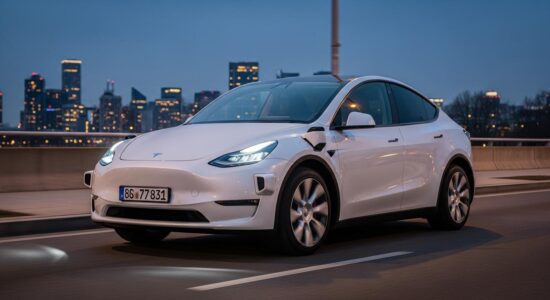
This week, I discovered that Tesla Robotaxis in Austin have something my Model Y will probably never have: camera washers on all cameras. Not just on the front windshield like my personal vehicle, but also on the side cameras and the rear camera.
This difference may seem trivial, but it actually reveals the growing gap between vehicles intended for commercial autonomous service and our personal cars. Since January 2026, Tesla has launched driverless public autonomous rides in Austin, marking a historic step in the deployment of its autonomous fleet.
Why this equipment difference? And above all, why does it frustrate me so much to know that this technology exists but remains inaccessible to us, private owners? That’s what I’m going to explain to you in this article.
Austin Becomes the Laboratory for True Driverless Robotaxi
Austin just reached a major milestone this week. Tesla officially launched its public autonomous ride service in the Texas capital, and the big news is the complete removal of onboard safety monitors.
Besoin d'accessoires pour ta Tesla ?
Looking for accessories for your Tesla?
Before this launch, tests of Tesla Robotaxi always included safety personnel capable of taking over control if needed. Now, vehicles operate in total autonomy, without human intervention possible from the interior cabin.
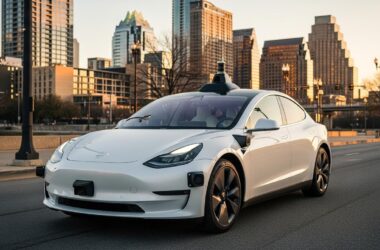
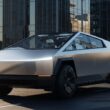
This is a truly historic step for Tesla, even though Waymo has already been operating this type of service in several American cities for some time. The fleet used in Austin is not made up of production Model Ys: these are dedicated vehicles, specially equipped for commercial autonomous service.
This evolution marks the transition from a test phase to real commercial operation. For Tesla, this is the beginning of a new era where autonomous driving becomes a service accessible to the general public. Even if in Europe, we are still watching all this from afar, waiting for FSD to be authorized on our roads.
Camera Washers Everywhere: The Invisible but Crucial Difference
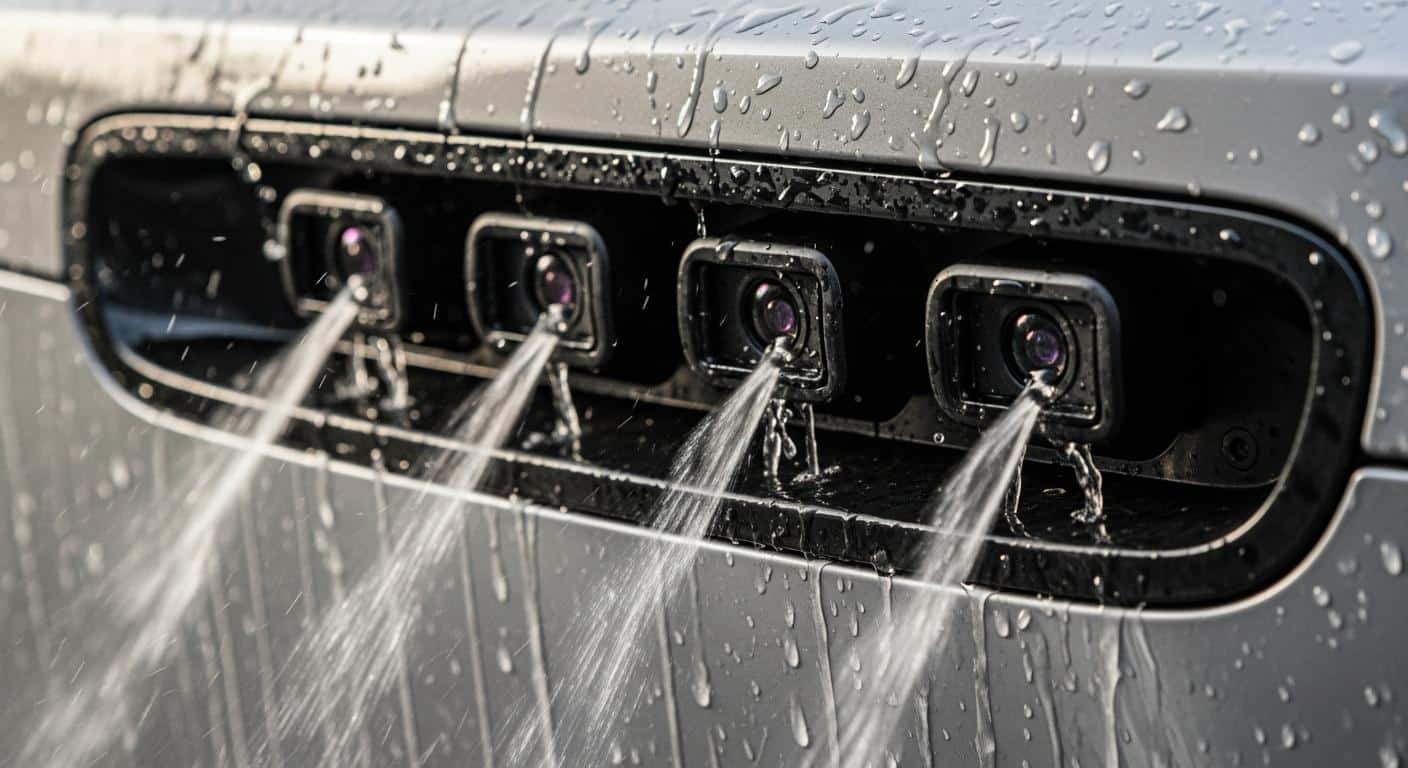
Here’s what truly distinguishes these Tesla Robotaxis from my personal Model Y, which I discovered in detail upon delivery: the addition of camera washers on the side repeater cameras (those integrated into the fenders) and on the rear camera.
On our consumer vehicles, only the front camera installed in the windshield benefits from a cleaning system. Recent observations of Robotaxis operating in Austin clearly show these additional installations, with jets integrated directly into the mounts of the side and rear cameras.
This physical difference is visible when comparing the two versions. Robotaxis have small nozzles that spray windshield washer fluid directly onto each camera, probably with a system similar to that of the front windshield.
How It Actually Works
The system uses jets integrated into the camera mounts, capable of cleaning the cameras in a targeted manner. Activation is probably automatic, triggered by the FSD system when it detects a degradation in image quality.
The windshield washer fluid reservoir is either shared with the windshield’s or specifically dedicated to these additional cameras. Tesla has not communicated the technical details, but logic would suggest they use the same reservoir to simplify maintenance.
It’s important to understand that Tesla relies entirely on a vision-only approach, without lidar or radar. The cameras are literally the “eyes” of the autonomous system. It’s like driving with dirty glasses: the slightest bit of dirt can compromise environmental perception and thus safety.
Why It’s Essential for a 24/7 Autonomous Service
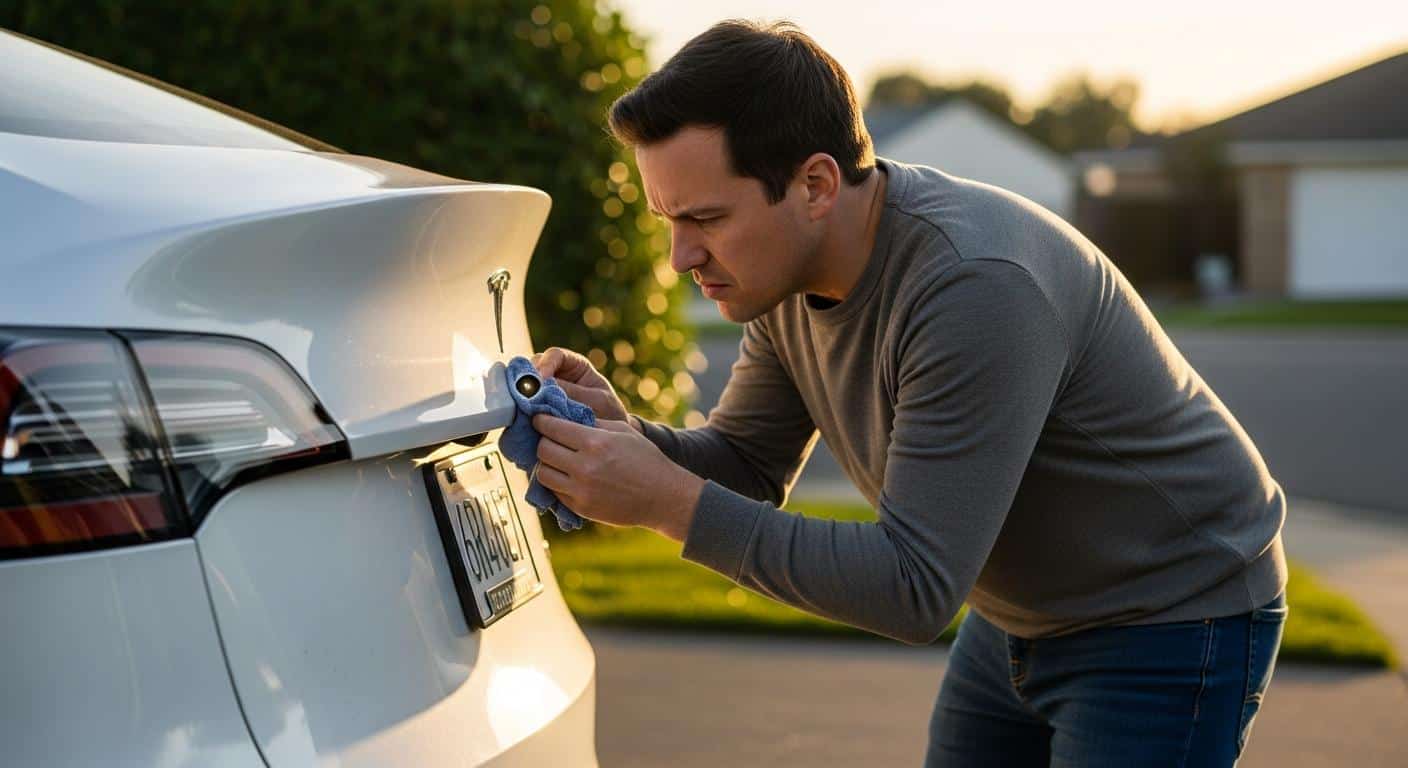
The fundamental difference between a Robotaxi and a personal car is the complete absence of human intervention between two rides. With my personal Model Y, when I see that the cameras are dirty, I grab a cloth and clean them. Simple.
But for an autonomous fleet operating 24 hours a day, 7 days a week, it’s impossible. There’s no one to manually clean the cameras between two trips. And yet, there are many scenarios where the cameras get dirty: rain, mud, road spray, insects, dust…
Tesla cannot afford a Robotaxi to miss a stop sign or fail to detect a pedestrian because a side camera is obstructed. The impact is direct on the safety and reliability of the service. Each failure could not only cause an accident but also tarnish the reputation of the entire program.
Operational availability is also key for profitability. If vehicles have to regularly return to stations for manual camera cleaning, it’s lost time, uncompleted trips, and thus money not earned. Camera washers allow vehicles to stay on the road longer.
Besoin d'accessoires pour ta Tesla ?
Looking for accessories for your Tesla?
Owners’ Frustration: Why Not Us?
On Tesla forums, this request has been coming up for years: “Why don’t we have camera washers on all cameras?” The problem is a daily one for many of us. After a few days of rain or a drive on wet roads, the side cameras and rear camera become unusable.
I regularly receive alerts from the FSD system indicating that a camera is obstructed. And then, there’s no choice: you have to stop, get out of the vehicle, and clean it manually. In the middle of winter, in the snow, or with frozen hands, it’s frankly not a pleasant experience.
My Personal Experience
Last winter, I drove 200 km in the snow. Road salt sprayed by other vehicles completely covered my rear camera and side cameras. After 100 km, they were completely unusable, covered in an opaque whitish film.
I had to stop at a highway rest area to clean them. With the cold, the wind, and the snow still falling, it really wasn’t pleasant. I would love to have this option of full camera washers, even if paying extra at purchase.
The feeling of inequality is present in the community: the technology exists, Tesla masters it perfectly, but it remains reserved for Robotaxis. I understand the different logic between commercial and private use, but wouldn’t a paid option be conceivable? A retrofit for existing vehicles? For now, Tesla is not communicating anything on this subject.
Towards Automated Robotaxi Fleet Maintenance
Camera washers are just one piece of the puzzle in Tesla’s overall strategy for managing its autonomous fleet. The long-term goal is to create a fully automated system where vehicles maintain themselves with minimal human intervention.
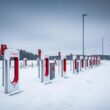
This involves automatic returns to cleaning and charging stations, like Supercharger charging, but in a completely automated version. Vehicles can be monitored remotely, and the system detects when a Robotaxi needs maintenance.
This approach is essential for scalability. As autonomous sector experts explain, it would be impossible to have human teams manage the maintenance of a million Robotaxis. Waymo, for example, already has dedicated maintenance centers, but with a much smaller fleet.
Tesla aims for a self-sufficient fleet where each vehicle optimizes its operational time by intelligently managing its charging, cleaning, and preventive maintenance needs.
So there you have it, this innovation of full camera washers makes me both jealous and optimistic. Jealous because I would really like to have that on my Model Y, especially when I have to clean my cameras in the middle of winter. But also optimistic, because it shows that Tesla is truly pushing commercial autonomous driving to the next level.
Will this feature ever come to our personal vehicles? Honestly, I don’t know. The cost-benefit ratio is probably different for private use where one can clean manually. But I would love to have the choice.
And you, how much would you pay to have camera washers on all cameras of your Tesla? 500 euros? 1000 euros? Personally, I think it would be worth the investment. Meanwhile, I continue to take care of my Tesla manually, cloth in hand.
Note for our European readers: FSD is still not available here, but following these developments remains exciting. Who knows what the future holds?
Profitez d'avantages exclusifs en achetant votre Tesla
Vous envisagez d'acquérir une Tesla ? En utilisant mon code de parrainage lors de votre achat, vous pouvez bénéficier d'avantages exceptionnels !
Des kilomètres gratuits de recharge ou d'autres récompenses exclusives, mon code de parrainage est votre passeport pour des avantages supplémentaires : https://ts.la/antoine49352 🤩
Pas de pression, juste une opportunité à saisir pour enrichir votre expérience Tesla.
Découvrez ici le système du parrainage et comment utiliser le code.
Get exclusive perks when buying your Tesla
Thinking about getting a Tesla? If you use my referral code when you purchase, you may be eligible for extra perks.
Free Supercharging miles or other exclusive rewards - my referral code can unlock additional benefits: https://ts.la/antoine49352 🤩
No pressure - just a simple option if you want to enhance your Tesla experience.
Learn how the Tesla referral program works and how to use the code.