

I need to tell you about a case that could have gone badly for Tesla, but in the end is turning out pretty well. On Tuesday, February 18, 2026, the California Department of Motor Vehicles (DMV) announced it was dropping plans to suspend Tesla sales in California for 30 days. This threat followed allegations of misleading marketing around Autopilot and Full Self-Driving.
Fortunately, Tesla took corrective measures that the regulator approved. The automaker now has an additional 90 days to finalize compliance. It’s a huge relief when you consider that California is an absolutely strategic market for Tesla.
But what really happened? What changes did Tesla make to avoid this penalty? And most importantly, what does it mean for you, as a Tesla owner or a future Tesla buyer? Let’s break it down together.
The California DMV gives the green light after review
The initial threat was serious: a 30-day suspension of Tesla vehicle sales in California. Imagine the commercial impact in a state that accounts for about a third of the automaker’s U.S. sales.
Besoin d'accessoires pour ta Tesla ?
Looking for accessories for your Tesla?
The regulator carefully reviewed the actions Tesla took. While not all the exact details of the corrective measures have been made public, the DMV deemed them sufficient to confirm the company’s compliance.
Tesla now has an additional 90-day window to finalize all requested adjustments. This grace period allows the automaker to refine its messaging and processes without suffering the devastating impact of a commercial shutdown.
The official confirmation is in: sales continue as normal with no interruption. For California customers waiting for their vehicle or considering a purchase, it’s great news that removes any uncertainty.
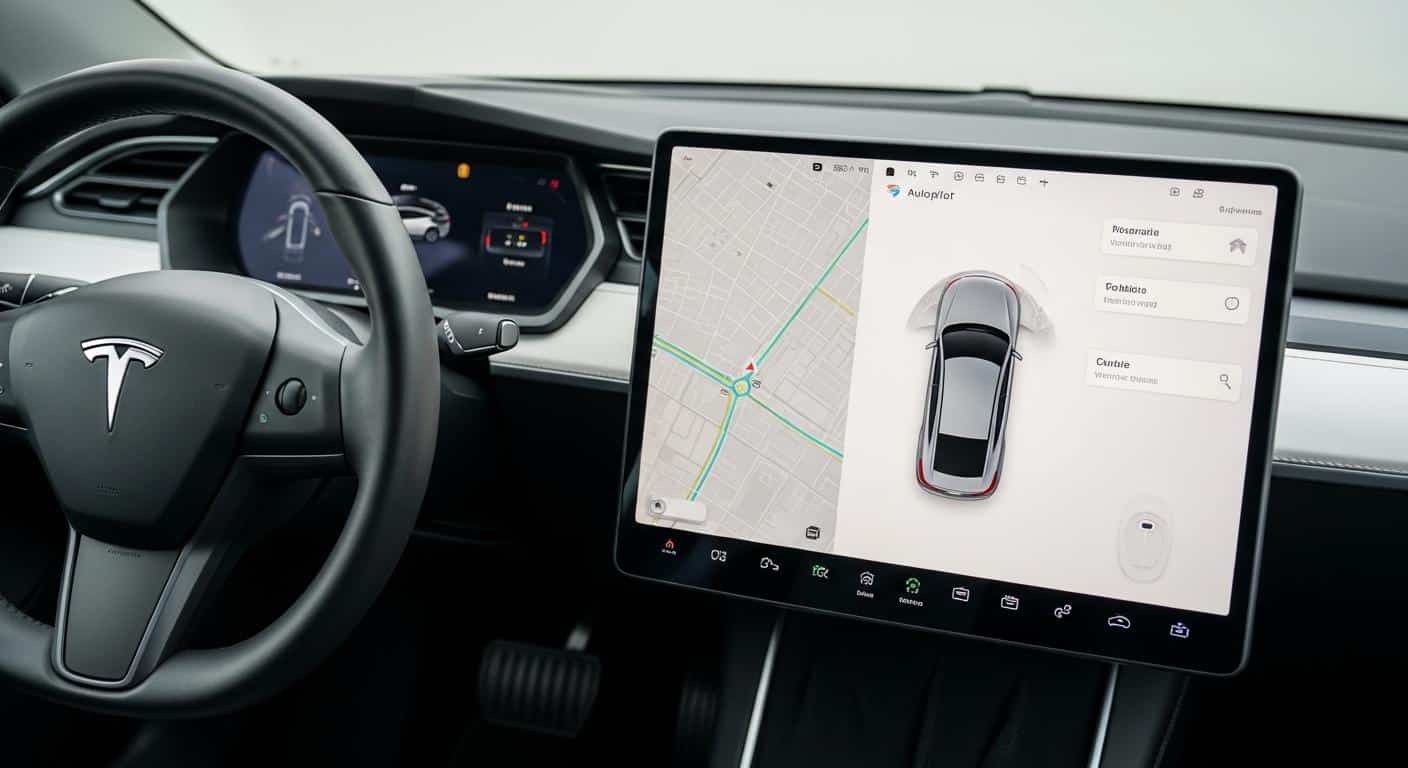
Autopilot and FSD: a long-running messaging battle
The California regulator’s allegations
At the heart of this case is the terminology Tesla uses. The DMV believes the terms “Autopilot” and “Full Self-Driving” are potentially misleading for consumers.
These names do suggest full vehicle autonomy, but the reality is very different. These systems require constant human supervision, with the driver needing to keep their hands on the wheel and stay attentive at all times.
The risk identified by the regulator is clear: misunderstanding the vehicle’s real capabilities can lead to dangerous behavior. An administrative judge also acknowledged the potentially misleading nature of this messaging, adding weight to the DMV’s concerns.
A debate that goes beyond Tesla
Let’s be honest: Tesla isn’t the only automaker facing these messaging challenges. The entire automotive industry struggles to clearly explain the difference between driver-assistance systems (ADAS) and true autonomy.
The gap between consumer expectations and technological reality remains huge. Many imagine fully self-driving cars when these are actually advanced assistance features. This confusion highlights the crucial importance of education and transparency in this area, as shown by the regulatory challenges Tesla faces in different markets.
The concrete changes Tesla made
Tesla didn’t sit back in the face of the regulator’s demands. In January 2026, the automaker made a major change: dropping standalone Autopilot as a separate product.
From now on, everything is grouped under the name “Full Self-Driving (Supervised)“. This new branding clearly emphasizes “(Supervised)” to remove any ambiguity: yes, you must monitor the system at all times.
The changes don’t stop at the product name. Tesla updated its marketing messaging on its website, adjusted messages in the vehicle interface, and strengthened alerts reminding the driver of their role in human supervision.
The goal is clear: eliminate any possibility of misunderstanding the system’s real capabilities. These adjustments clearly convinced the DMV, since they were enough to avoid the penalty initially considered.
Tesla’s position: “a victimless case”
On Tesla’s side, the argument remains firm. The automaker insists that no customer complaint has been filed about any alleged misunderstanding of Autopilot or FSD capabilities.
Besoin d'accessoires pour ta Tesla ?
Looking for accessories for your Tesla?
The company describes this procedure as a preventive “consumer protection” order, suggesting it’s more of a precautionary measure than a response to a proven issue.
Tesla maintains that its customers fully understand their vehicles’ capabilities. There has been no formal admission of misleading anyone. The approach is pragmatic: accept the requested adjustments to avoid a damaging commercial penalty.
In its corporate messaging, Tesla emphasizes continued sales and reassures California customers: no impact on current orders or scheduled deliveries.
What this means for Tesla owners and future buyers
First thing to remember: no impact on deliveries or after-sales service. If you’re waiting for your vehicle in California, everything is proceeding as normal. If you already own one, service continuity and updates are assured.
For future buyers, this case results in clearer communication about the real capabilities of driver-assistance systems. It’s ultimately a positive: you’ll know exactly what you’re buying when your Tesla is delivered.
The importance of California in Tesla’s overall business strategy can’t be underestimated: the state represents about 30–35% of the automaker’s U.S. sales.
This case could set a precedent for other U.S. states or even other countries. Regulators worldwide are watching these developments closely. We can expect a broader shift toward more transparency across the entire automotive industry.
Personally, I think these clarifications are welcome for all users of driver-assistance systems, regardless of brand. A better understanding of real capabilities contributes to safer use of these technologies.
In the end, Tesla comes out of this well, with necessary adjustments validated by the relevant authorities. This case usefully helps clarify the debate around vehicle autonomy, and other automakers will likely have to follow suit in the months ahead.
I think this is a healthy development for the industry as a whole. Better information benefits everyone: automakers, regulators, and above all us users who simply want to understand what our vehicles can really do.
Profitez d'avantages exclusifs en achetant votre Tesla
Vous envisagez d'acquérir une Tesla ? En utilisant mon code de parrainage lors de votre achat, vous pouvez bénéficier d'avantages exceptionnels !
Des kilomètres gratuits de recharge ou d'autres récompenses exclusives, mon code de parrainage est votre passeport pour des avantages supplémentaires : https://ts.la/antoine49352 🤩
Pas de pression, juste une opportunité à saisir pour enrichir votre expérience Tesla.
Découvrez ici le système du parrainage et comment utiliser le code.
Get exclusive perks when buying your Tesla
Thinking about getting a Tesla? If you use my referral code when you purchase, you may be eligible for extra perks.
Free Supercharging miles or other exclusive rewards - my referral code can unlock additional benefits: https://ts.la/antoine49352 🤩
No pressure - just a simple option if you want to enhance your Tesla experience.
Learn how the Tesla referral program works and how to use the code.