

When Elon Musk unveils Neuralink’s progress, he may not realize he’s just lit a geopolitical fuse. February 2024 marks a turning point: China officially classifies brain-machine interfaces as a national strategic sector.
The result? An unprecedented wave of clinical trials and funding that is redrawing the boundaries of medical innovation. I’m going to break down this fascinating technological race between two visions of the future.
Neuralink: The spark that started it all
I’ve been closely following Neuralink’s progress over the last few months. Elon Musk’s company is currently conducting clinical trials with several patients equipped with their brain implants. Preliminary results show paralyzed individuals capable of controlling digital interfaces with their thoughts.
But what really struck me was the Blindsight project: a neural interface designed to restore vision in blind people. This is what truly sets Neuralink apart in this landscape.
Besoin d'accessoires pour ta Tesla ?
Looking for accessories for your Tesla?
Why does Neuralink serve as a global showcase? Massive media coverage, Musk’s technological credibility, and very effective communication. Neuralink is clearly not alone in this field, but it is undeniably the most visible.
This showcase effect has acted as a catalyst for the entire global BCI ecosystem. Every announcement generates articles, investments, and… strategic responses from entire governments.
February 2024: China formalizes its BCI strategy
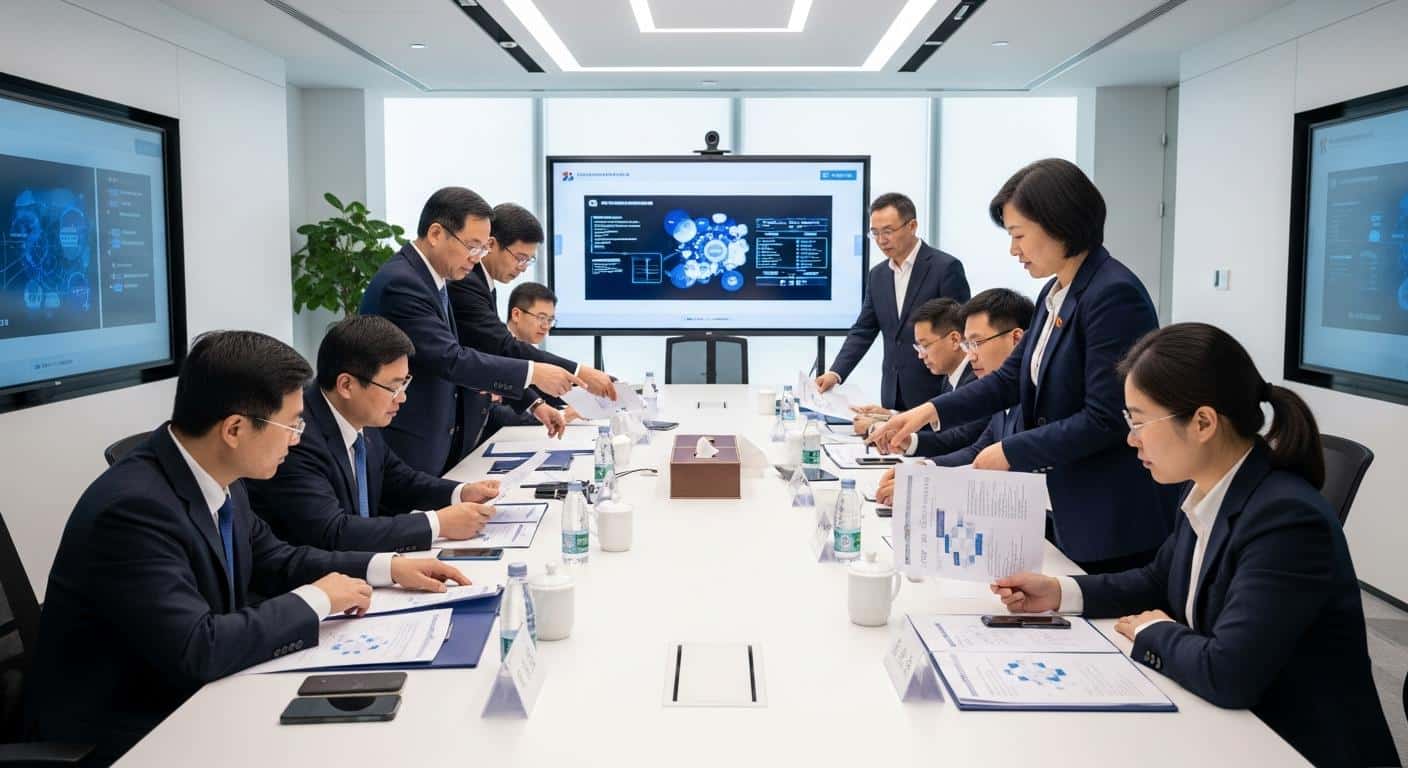
In February 2024, Beijing made a major political decision: classifying brain-machine interfaces as a strategic sector. This isn’t just a PR stunt.
The Chinese government has rolled out an ambitious government roadmap through 2030. The numerical target is precise: create 2 to 3 globally competitive companies in this field.
My analysis? This approach is exactly like the Chinese strategies deployed in AI, space, or EV batteries. They identify a key sector, mobilize massive resources, and fast-track regulation.
The difference from the Western approach is striking: on one side, private startups raising funds bit by bit; on the other, coordinated massive state support. Two philosophies, one race.
NeuroXess: The rising Chinese champion
A startup already in the clinical phase
NeuroXess was founded in 2021. Three years later, it’s already conducting human clinical trials. This speed of development is remarkable, even in a sector known for its agility.
The company benefits from fast-tracked institutional and regulatory support. Authorizations that would take years in Europe or the United States are obtained in a few months. This isn’t negligence; it’s a deliberate political choice.
Impressive clinical results
The most striking case I’ve studied: a paralyzed patient controlling a computer cursor just 5 days post-implantation. From a technical standpoint, this timeframe is truly significant.
To put this in context: in comparable Western trials, we’re usually talking about weeks or even months of training and calibration. Achieving functional cursor control in less than a week suggests either high-performance technology, optimized training protocols, or both.
NeuroXess is developing its own proprietary technologies and is already announcing the next steps: expanding trials, new use cases, and implant miniaturization.
An unprecedented explosion of clinical trials
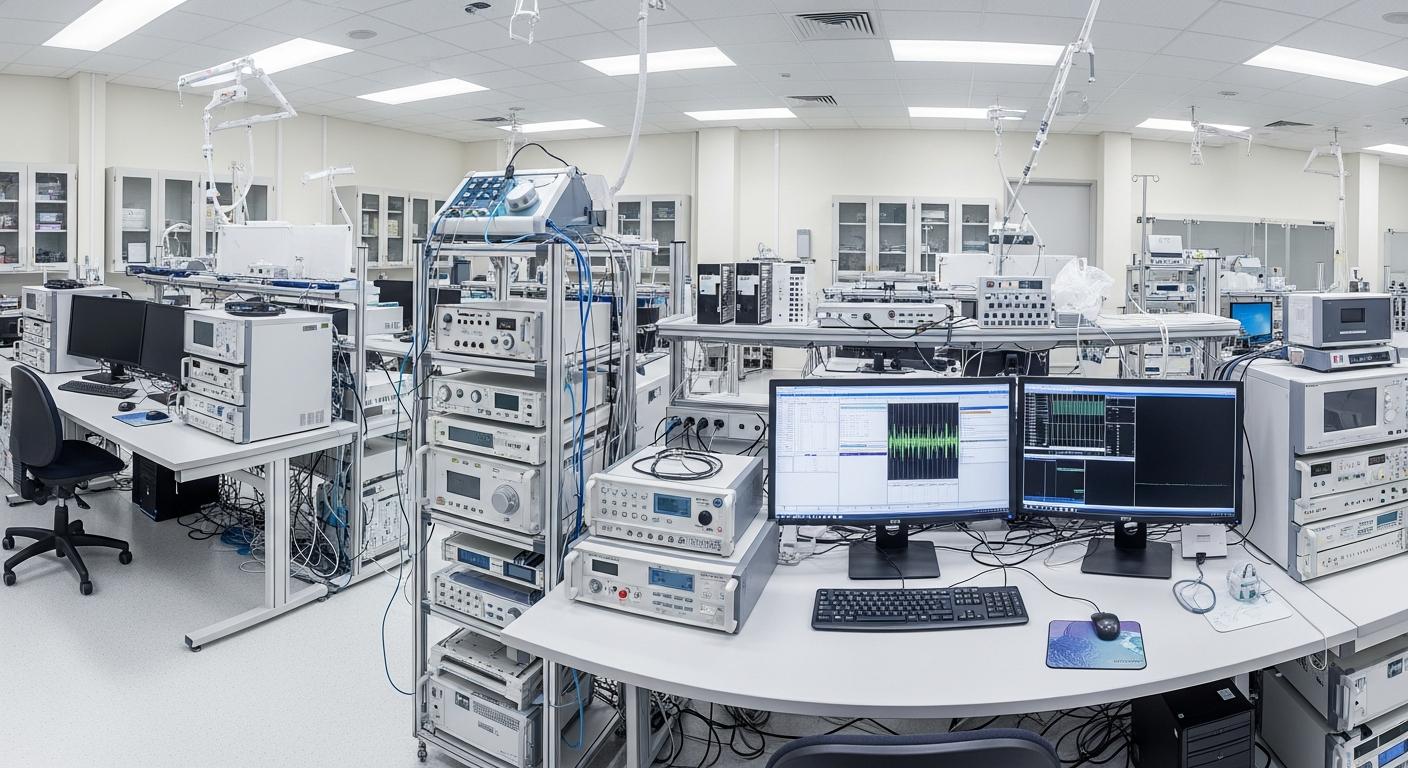
The figure that struck me most: at least 10 clinical trials for invasive brain implants have been launched in China since February 2024. Ten. In less than a year.
This explosion is accompanied by a wave of funding: dozens of funding rounds have been closed over the same period. The Chinese BCI ecosystem is expanding at a speed I’ve never seen in the medical field.
Besoin d'accessoires pour ta Tesla ?
Looking for accessories for your Tesla?
Let’s compare the regulatory pace: in the US, getting FDA approval for a brain implant clinical trial usually takes 18 to 24 months. It’s similar in Europe. In China right now? A few months at best.
Beyond NeuroXess, an entire ecosystem of emerging startups is developing: sensor manufacturers, neural decoding algorithm specialists, and electronic miniaturization experts.
What this technological race reveals
This BCI rivalry perfectly illustrates the new dynamic of Sino-American competition in deep tech. We’re no longer just talking about trade or manufacturing; we’re talking about technological sovereignty over the technologies of the future.
The geopolitical stakes are high. Who will define the international standards for brain-machine interfaces? Who will control the essential patents? Who will train the talent in this field?
For those who follow the Tesla universe like I do, this logic is a stark reminder of the technological race for batteries, onboard AI, and autonomous driving. Same pattern: American private innovation versus Chinese state industrial strategy.
Where does Neuralink stand today? Still ahead in the media, with incomparable brand recognition. But the technical competition is becoming real, tangible, and measurable.
What does this change for the future of BCIs? A global acceleration of medical innovation. Competition pushes each side to progress faster, take more calculated risks, and innovate more.
Ultimately, Neuralink sparked a global dynamic that China is institutionalizing and industrializing at high speed. My personal take? This competition will benefit patients who have been waiting for these technologies for decades.
I’ll be keeping a close eye on the next clinical results from both sides of the Pacific. Recent developments in the sector suggest we are at the dawn of a major medical revolution, driven by this global technological emulation that is accelerating innovation for the benefit of all.
Profitez d'avantages exclusifs en achetant votre Tesla
Vous envisagez d'acquérir une Tesla ? En utilisant mon code de parrainage lors de votre achat, vous pouvez bénéficier d'avantages exceptionnels !
Des kilomètres gratuits de recharge ou d'autres récompenses exclusives, mon code de parrainage est votre passeport pour des avantages supplémentaires : https://ts.la/antoine49352 🤩
Pas de pression, juste une opportunité à saisir pour enrichir votre expérience Tesla.
Découvrez ici le système du parrainage et comment utiliser le code.
Get exclusive perks when buying your Tesla
Thinking about getting a Tesla? If you use my referral code when you purchase, you may be eligible for extra perks.
Free Supercharging miles or other exclusive rewards - my referral code can unlock additional benefits: https://ts.la/antoine49352 🤩
No pressure - just a simple option if you want to enhance your Tesla experience.
Learn how the Tesla referral program works and how to use the code.